
How to detect if Microsoft is rejecting your emails (and why)
Learn how to detect if Microsoft is rejecting your emails due to new authentication rules—and how solutions like Valimail Monitor can help you fix it.
A complete guide to email compliance requirements from Microsoft, Google, Apple, and Yahoo
Learn the 2025 email compliance requirements for Microsoft, Google, Apple, and Yahoo. Ensure your emails get delivered with SPF, DKIM, and DMARC.
DKIM setup guide: step-by-step to set it up

Master DKIM setup and safeguard your brand’s email. Get the steps you need for strong authentication and reliable delivery.
How to fix “DMARC policy not enabled” errors
Learn how to fix “DMARC policy not enabled” errors and secure your email domain with proper enforcement in this step-by-step guide.
Why is my email not sending? (and the solution)
Fortunately, there’s bound to be a reason for your email not sending, and when there’s a reason, there’s usually a solution. We’re here to help you find answers.
How good email systems sometimes send fraudulent messages

Learn how good email systems (like PayPal’s) sometimes send fraudulent emails and what you can do to better protect your domain, customers, and brand.
FAQs on new Google and Yahoo sender requirements

Find answers and solutions to frequently asked questions regarding Google and Yahoo’s new sender requirements.
How to create a DKIM record (the right way)
Learn everything you need to know to create a DKIM record the right way and help your emails reach the inbox (and your recipients).
DMARC record examples: What a DMARC record looks like and why you need one
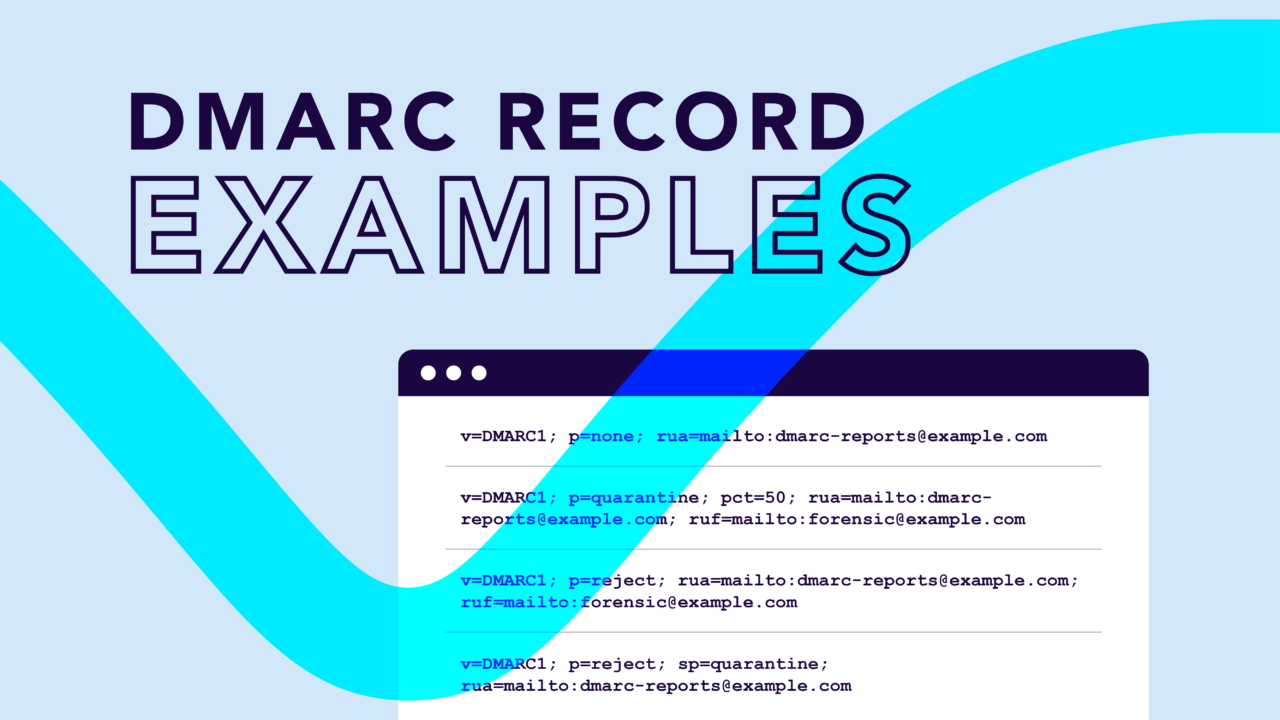
Explore DMARC record examples from basic to advanced. Learn how to read, create, and optimize your DMARC records for better email authentication.
How to set up a Google Workspace SPF record (Gmail SPF setup and examples)

Learn how to create and set up a Google Workspace SPF record (Gmail SPF). Learn with our step-by-step guide, examples, and common mistakes to avoid for secure email.
DMARC adoption momentum builds in Japan in 2024
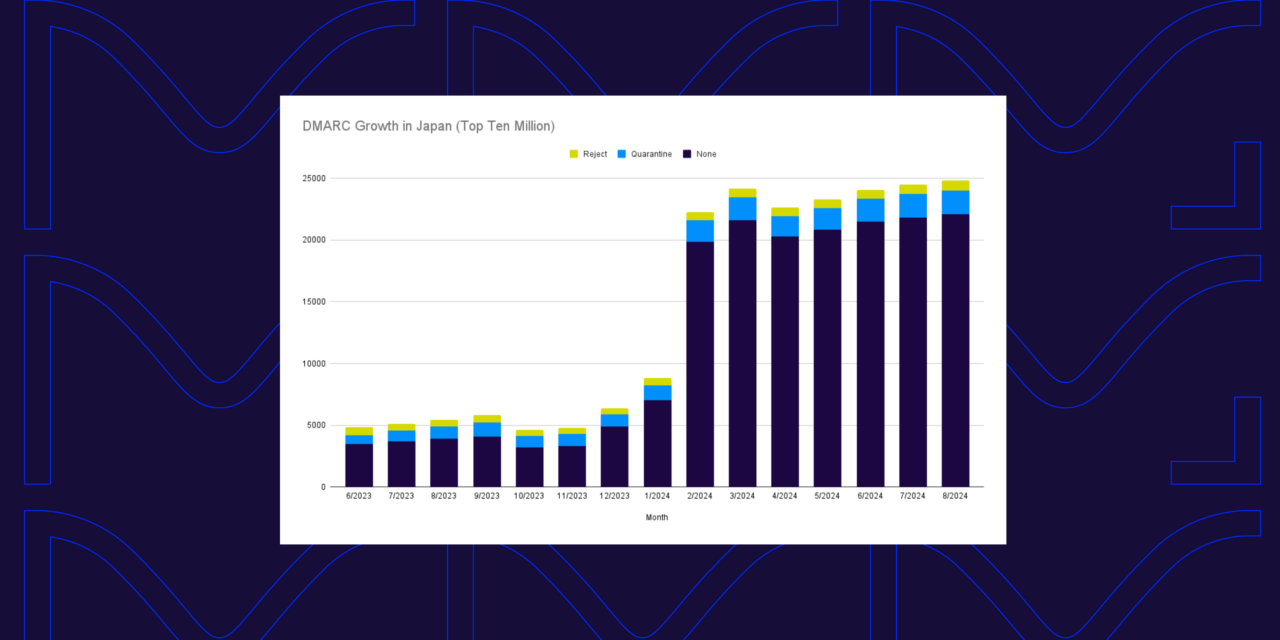
Explore 2024 DMARC adoption trends among Japan’s .jp domains, the impact of new sender requirements, BIMI growth, and how to improve email security beyond p=none.
DMARC growth in 2024: A snapshot of surging adoption
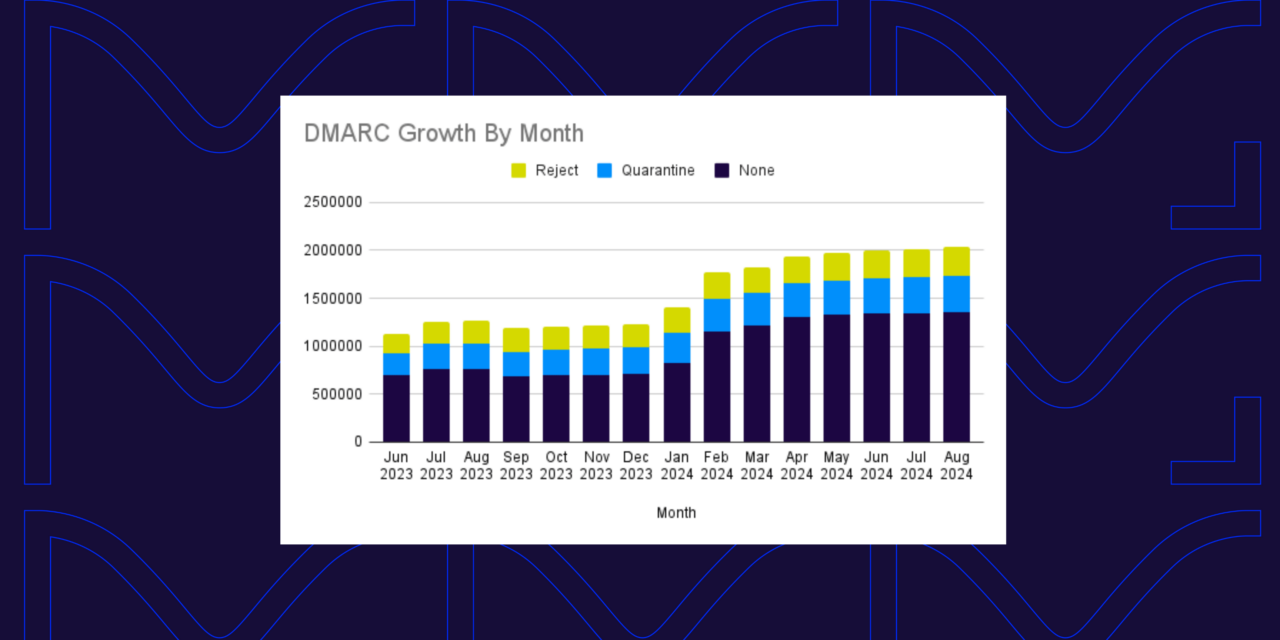
Explore the latest trends in DMARC adoption in 2024. Discover how the top domains are implementing DMARC to combat phishing in this snapshot of rapid growth.