Your brand identity is much more than your company logo and color scheme. Your brand is your entire digital fingerprint. It’s how your customers recognize you in their inbox, trust your communications, and know they’re actually dealing with you—not some impersonator trying to steal their money.
And while you’re working hard to build your brand’s reputation, cybercriminals are working just as hard to exploit it. They’re creating lookalike domains, sending fake emails with your logo, and even mimicking your writing style to trick your customers and partners.
You’re not defenseless, though. You can take steps to protect and improve your brand identity. Whether you’re a small business finding your feet or a global enterprise protecting your reputation, we’ll be unpacking plenty of ways to strengthen your brand reputation.
What is brand identity?
Your brand identity is everywhere your business shows up online—and even a few places you might not expect:
- Visual elements: Yes, that’s still your logo, colors, and design, but it’s also how consistently they show up across dozens of digital touchpoints, from your website to your email signatures.
- Email presence: We’re not just talking about a fancy header in your newsletter. This includes the technical stuff like email authentication that tells inbox providers “hey, this really is us sending this message.”
- Communications style: From how you write subject lines to how you respond to customers on social media. Think of it as your company’s personality showing up consistently everywhere.
- Digital footprint: Your website, social media profiles, email domains, and even how your brand appears in search results.
- Security measures: Because nothing ruins your brand identity faster than someone impersonating you to scam your customers.
However, most companies nail the visual stuff and completely miss the technical side of brand identity. It’s like having a beautifully designed store but leaving the back door wide open. Protecting your brand identity means getting both parts right.
Why does brand identity matter?
Your customers are bombarded with thousands of messages daily, and they need to know— really know—that they’re dealing with the real you.
- Trust and recognition: When your brand identity is strong and consistent, customers don’t have to think twice about whether that email asking them to reset their password is legitimate. They know what comes from you and what doesn’t.
- Customer confidence: A solid brand identity means your customers feel safe doing business with you. They’re not second-guessing whether that promotional email is really from your company or wondering if that payment request is legitimate.
- Protection against fraud: Strong brand identity practices help prevent scammers from successfully impersonating your company.
- Market differentiation: Everyone’s inbox is overflowing, and a consistent and trustworthy brand identity helps you stand out. It’s not just about being recognizable—it’s about being reliably recognizable.
- Regulatory compliance: A clear and protected brand identity helps you meet regulatory requirements around customer communications and data protection.
- Business growth: A protected brand identity makes it easier to expand into new markets and launch new products without worrying about imposters damaging your reputation along the way.
9+ ways to protect your brand identity
1. Be consistent across channels
Whether your customers bump into your brand on LinkedIn, in their inbox, or on your website, the experience should feel familiar and trustworthy. Most companies nail their brand voice on social media but sound like a different company in their emails. Or their website uses one set of colors while their email signatures use another. Small inconsistencies like these can make customers pause and wonder if something’s off.
Create a central source of truth for your brand elements—from logos and color codes to tone of voice guidelines. Make sure everyone who communicates on behalf of your brand has access to it. Consistency builds trust, and trust builds business.
2. Authenticate your emails
You’ve crafted the perfect email campaign, nailed your subject line, and designed a beautiful template. But none of that matters if your message ends up in the spam folder—or worse, if scammers are sending fake emails pretending to be you.
This is where email authentication comes in. It proves to inbox providers that messages really came from you. The big three players here are SPF, DKIM, and DMARC:
- SPF checks if the sender is authorized.
- DKIM adds a digital signature.
- DMARC ties it all together with clear instructions on what to do with unauthorized emails.
Don’t just set these up and forget them, though. You need to monitor and maintain them to make sure they’re working properly. After all, your brand’s reputation in the inbox is only as good as your authentication.
3. Implement BIMI
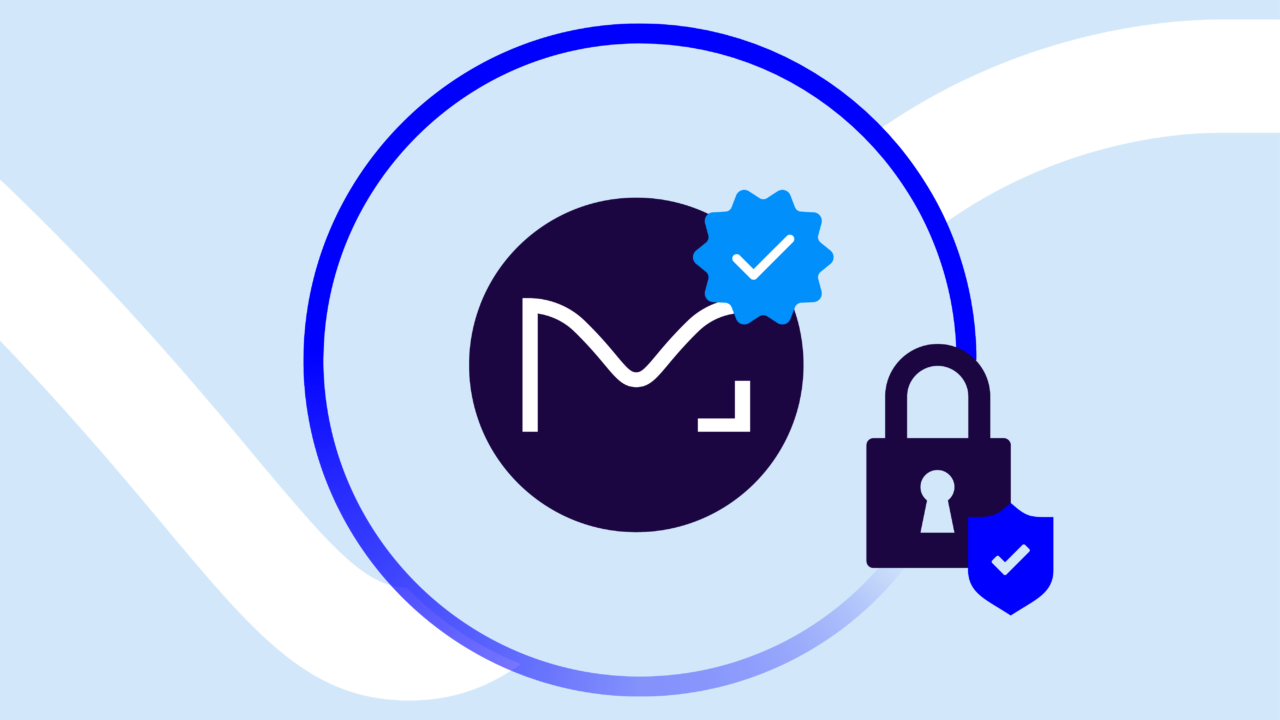
BIMI (Brand Indicators for Message Identification) is your brand’s verified checkmark in the inbox. When you set it up, your official logo appears right next to your authenticated emails in supporting email clients.
However, you can’t just slap BIMI on and call it a day. It’s built on top of DMARC enforcement, which means you need to have your email authentication house in order first. Once you do, though, it’s a game-changer. Your customers get a visual confirmation that your emails are legitimate, and you get the benefit of standing out in increasingly crowded inboxes. Plus, early adopters of BIMI report higher open rates and improved brand recognition.
4. Measure and track brand identity
You can’t improve what you don’t measure. Start with your email metrics—not just open rates, but your authentication status, DMARC reports, and delivery rates. Track how many unauthorized emails are trying to use your domain (you might be surprised). Monitor your brand mentions across social media and review sites and pay attention to any reports of scam attempts using your brand name.
Set up alerts for lookalike domains that could be used for impersonation attacks. Regularly audit your visual brand consistency across all channels.
Remember: What gets measured gets managed, and what gets managed stays protected.
5. Set up domain monitoring
Somewhere out there, someone’s probably trying to use your domain to scam people right now. And if you’re not monitoring your domain activity, you won’t know until it’s too late and your customers are calling to complain about those “weird emails” they got from you.
DMARC reports tell you exactly who’s sending email using your domain, whether they’re authorized or not. They catch everything, from legitimate marketing emails to sketchy phishing attempts.
That’s why you need a DMARC monitoring system (like Valimail Monitor) that turns those reports into actionable insights. Look for unusual spikes in email volume, unauthorized senders, and failed authentication attempts. When you spot something fishy, you can shut it down before it becomes a problem.
6. Build an incident response plan
When someone impersonates your brand, every minute counts. The longer you wait to fix it, the more damage it causes. That’s why you need an incident response plan ready before things go wrong.
Start by mapping out your response team. Who needs to know when there’s a brand impersonation attempt? Legal? PR? IT? Security? Then create a clear process: how you’ll assess the threat, who makes decisions, and what actions you’ll take. Include template communications for different scenarios—whether it’s notifying customers about a scam or working with email providers to block malicious senders.
Keep your plan simple and accessible. Test your plan before you need it—because the middle of a brand crisis is the worst time to discover gaps in your response.
7. Train your employees
Your employees are your brand’s first line of defense, but they can also be its biggest vulnerability. That marketing intern who doesn’t know how to spot a spoofed email? The sales rep who uses an outdated logo? They might accidentally let the bad guys in or muddy your brand identity without even knowing it.
Fortunately, a little training goes a long way. Teach your team what authentic company emails look like and how to spot fakes. Show them where to find approved brand assets and how to use them correctly. Make sure they understand basic email security—like why they shouldn’t forward company emails to personal accounts or click on suspicious links, even if they seem to come from the CEO.
Don’t make it a one-and-done thing, either. Brand protection needs to become part of your company’s culture. Regular refreshers, quick tips, and real-world examples help keep everyone sharp and your brand secure.
8. Design an email template system
Start by creating locked-down templates for different types of communications: marketing campaigns, customer service responses, internal announcements. Build in authentication headers and DKIM signatures by default. Include spots for your logo that meet BIMI requirements. Make sure your templates render correctly across different email clients (because your brand looks amateur when your emails show up broken).
Keep your templates secure and usable. If they’re too rigid, people will work around them. If they’re too flexible, you risk inconsistency. Find that sweet spot where your team can create effective emails while your brand stays protected.
9. Regularly update your SPF
Your SPF record is a list of all your verified senders. But you’ll need to frequently update this to include new senders and remove outdated ones. Add a new marketing platform? You need to update SPF. Switch email providers? Update SPF. Start sending from a new cloud service? You guessed it.
Keep a log of every service authorized to send email on your behalf, and review it quarterly. Are you still using all those services? Do some overlap? Can you consolidate? A clean, optimized SPF record is a happy SPF record.
Protect your brand with Valimail
Protecting your brand identity online can feel like a never-ending to-do list. Fortunately, you don’t have to do it all alone. We can help.
Valimail helps you lock down your brand identity where it matters most: your email communications. We automatically monitor your email authentication, manage your DMARC implementation, and help you stop impersonation attacks before they reach your customers’ inboxes. We take care of the following:
- Monitor who’s sending email using your domain
- Stop unauthorized senders in their tracks
- Keep your SPF records optimized and up to date
- Help you implement BIMI to showcase your logo in supported inboxes
- Turn complex DMARC reports into actionable insights
Ready to protect your brand identity? Sign up for Valimail Monitor (it’s free) to check and track your email authentication status.